


How to Choose a Global Medical Equipment Supplier: A Complete Buyer’s Guide for Hospitals and Clinics
Choosing the right medical equipment supplier is one of the most important decisions for any hospital, clinic, diagnostic centre, or healthcare organisation. The quality of the supplier you choose affects not only your budget, but also equipment reliability, service continuity, delivery times, and ultimately patient care.
In today’s healthcare market, buyers are looking for more than just low prices. They need a supplier that can provide dependable equipment, clear communication, international shipping support, and practical solutions for long-term clinical use.
At Hessen Medical Ltd, we understand that buying medical equipment is a serious investment. Whether you are sourcing a single device, replacing existing systems, or equipping an entire facility, it is essential to choose a supplier that offers the right balance of quality, value, and support.
This guide explains how to evaluate a global medical equipment supplier, what questions to ask before purchasing, and how to make a safer, smarter buying decision.
Why Choosing the Right Medical Equipment Supplier Matters
Medical equipment procurement is not just about availability. It is about finding equipment that meets operational needs, arrives safely, performs reliably, and supports the clinical goals of your organisation.
A strong supplier can help healthcare providers:
- reduce procurement risks
- improve equipment availability
- manage budgets more effectively
- avoid delays in shipping and documentation
- source reliable new or refurbished systems
- build a long-term purchasing relationship
A poor supplier, on the other hand, can create unnecessary delays, hidden costs, equipment issues, and communication problems that affect both operations and patient care.
What Makes a Good Global Medical Equipment Supplier
A trusted supplier should offer much more than a list of products. The best suppliers combine product knowledge, quality control, logistics capability, and responsive service.
Here are the key factors every buyer should look for.
1. Proven Industry Experience
Experience matters in medical equipment supply. A company with years of experience is more likely to understand the needs of hospitals, clinics, distributors, and healthcare buyers in different regions.
Experienced suppliers are usually better prepared to:
- recommend the right products
- explain equipment options clearly
- manage complex shipping requirements
- support urgent requests
- resolve problems efficiently
When buyers are investing in critical equipment, supplier experience adds confidence.
2. Wide Product Range
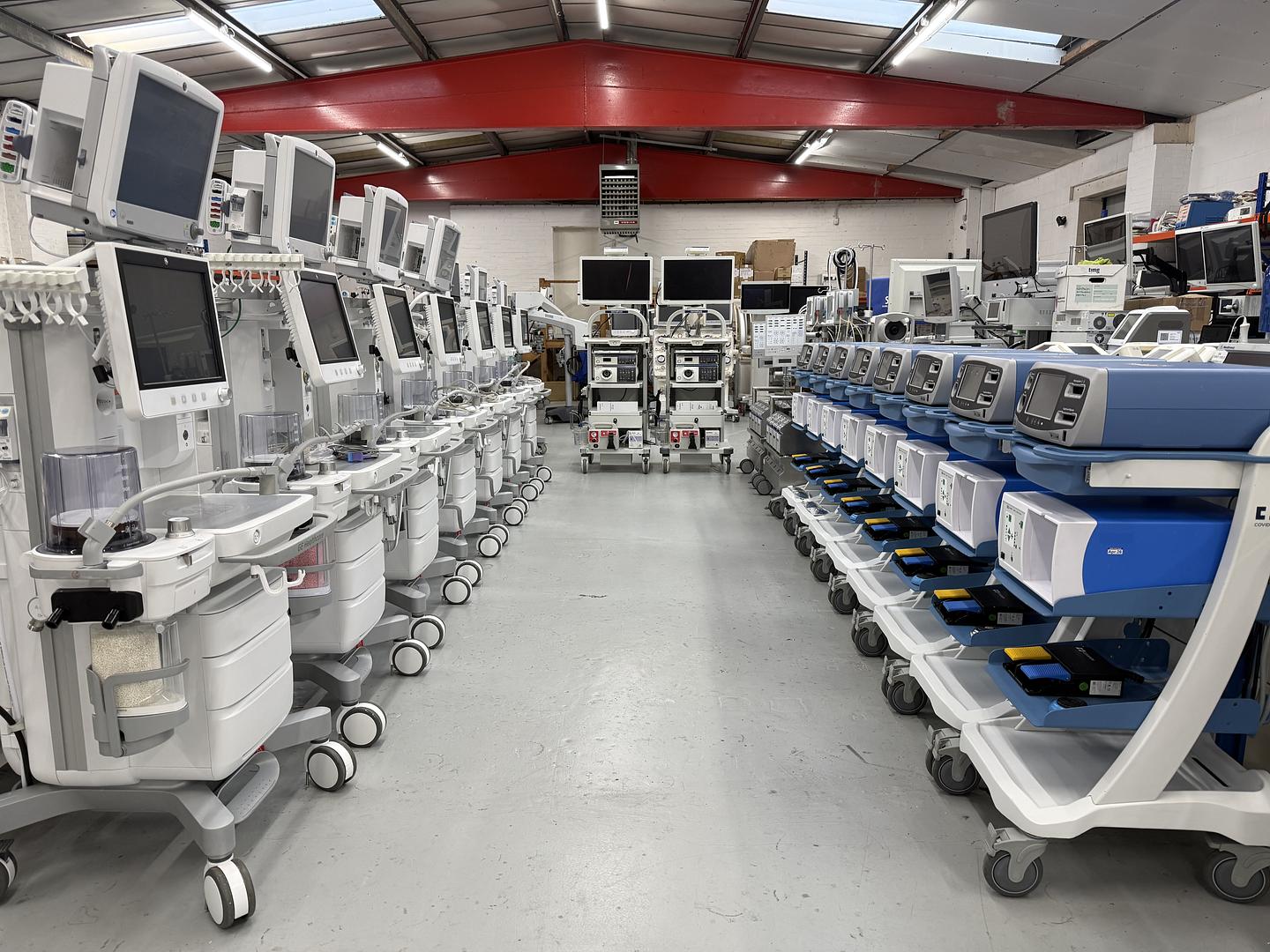
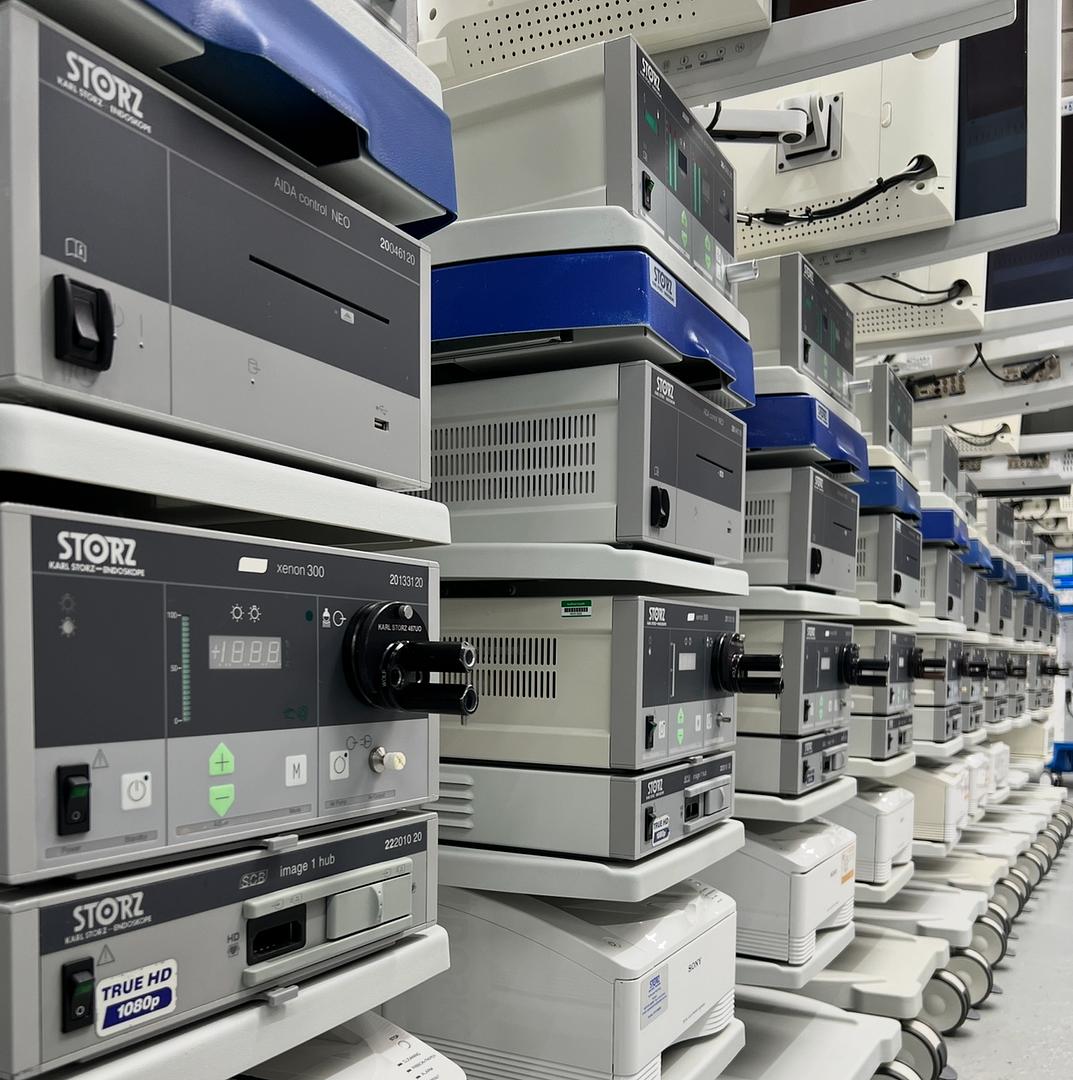
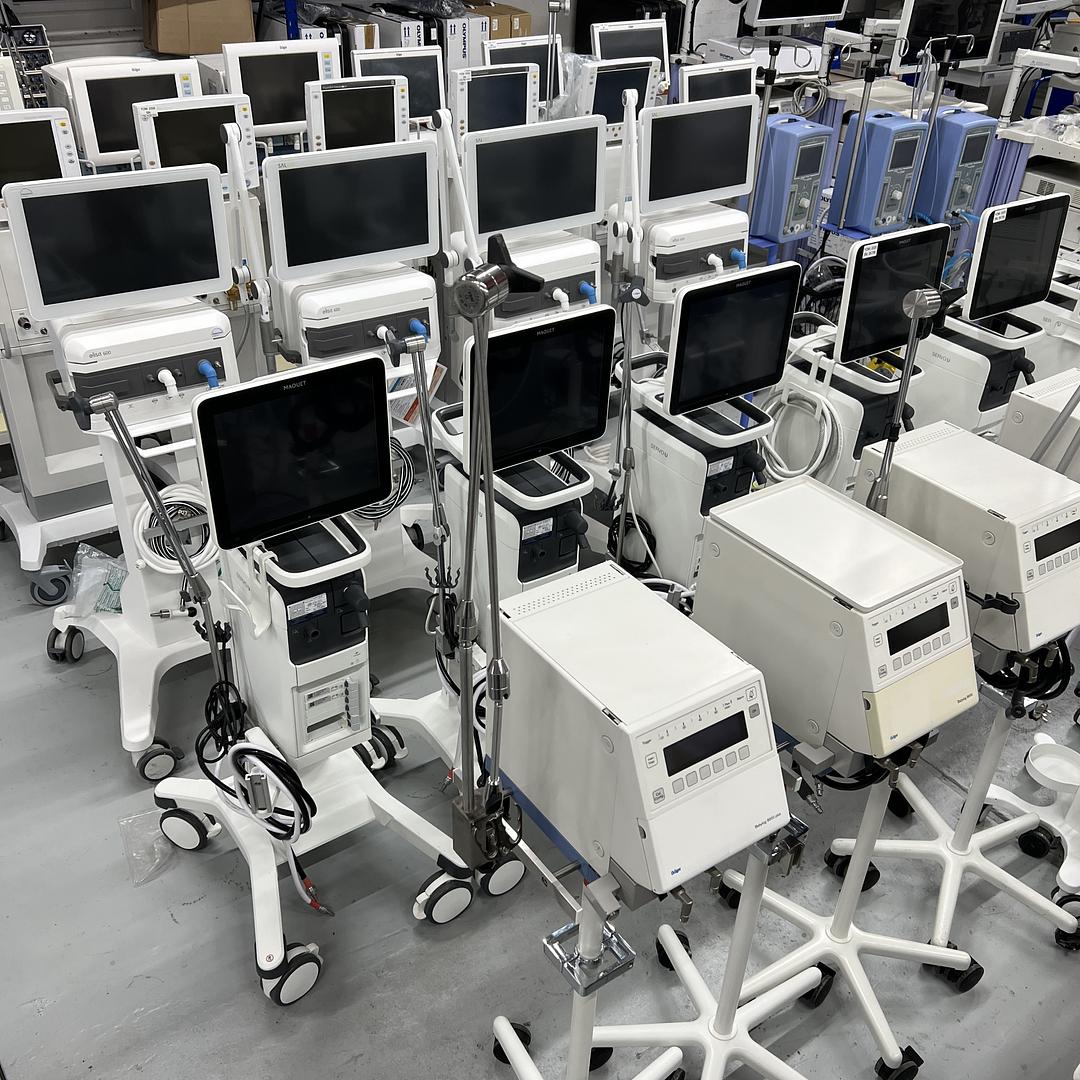
A supplier with a broad inventory can make procurement easier and more efficient. Instead of buying from multiple sources, healthcare organisations often prefer to work with one supplier that can provide several product types.
This is especially useful when sourcing:
- endoscopy equipment
- anaesthesia machines
- ICU ventilators
- dialysis machines
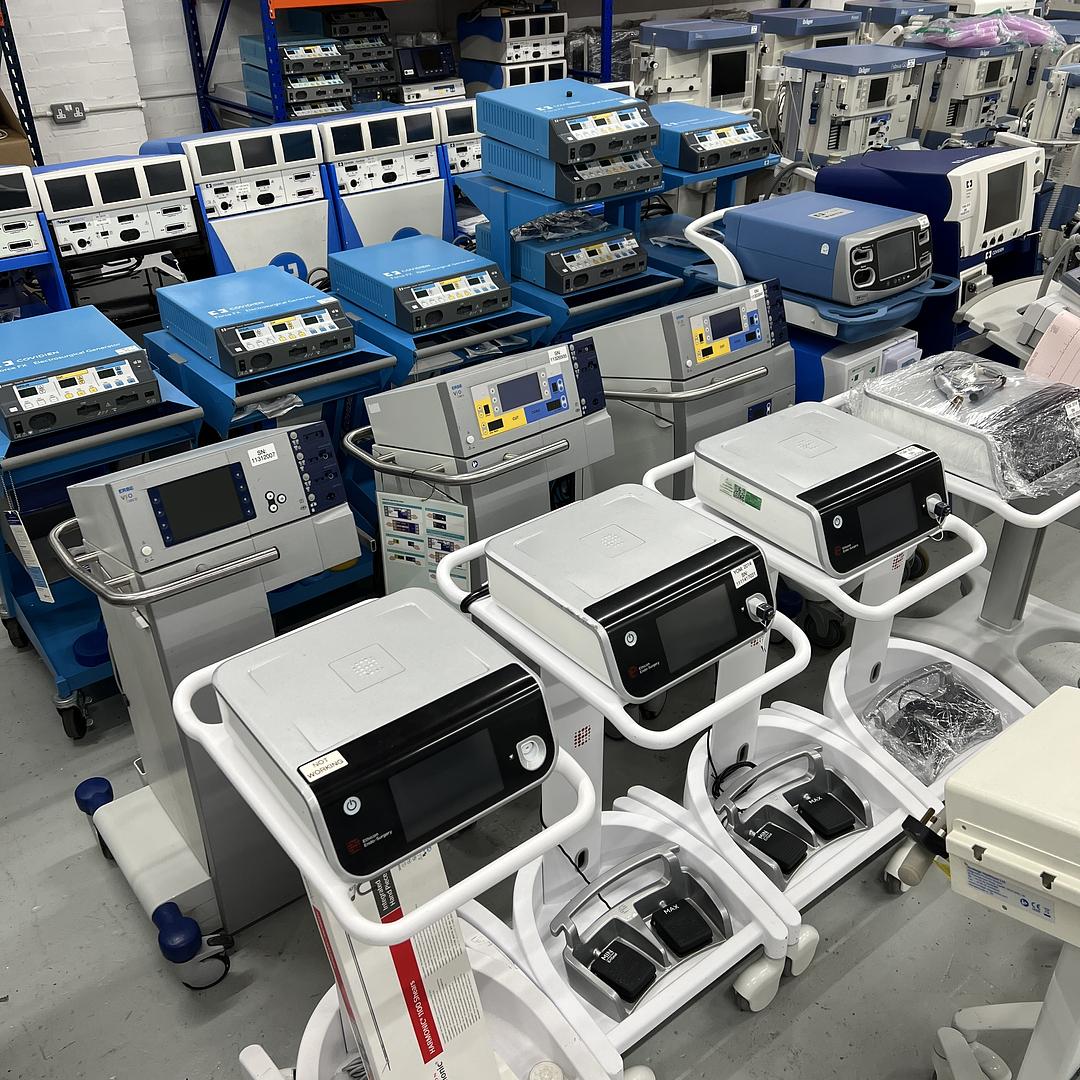
- electrosurgical units
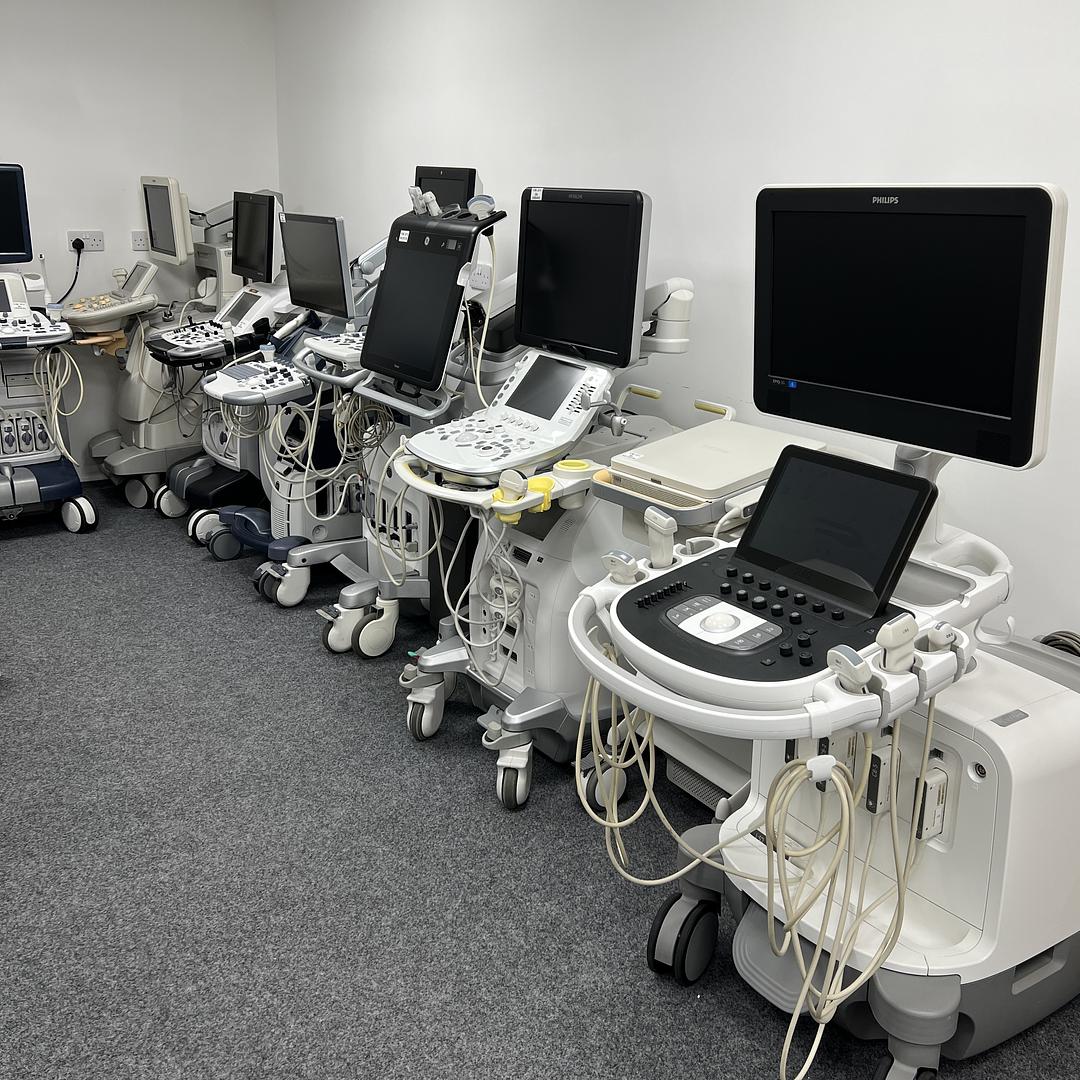
- ultrasound systems
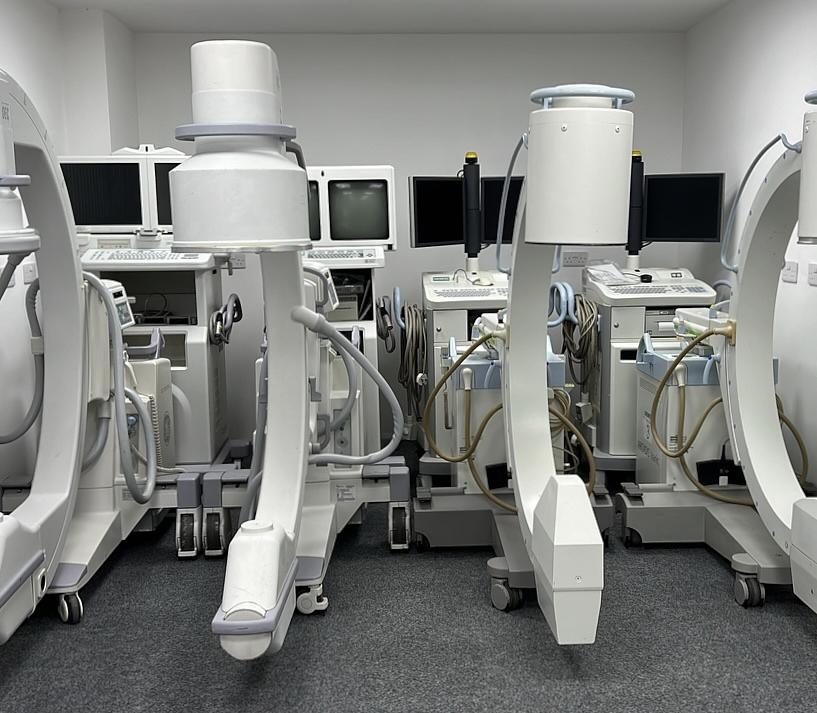
- X-ray systems
- patient monitors
- other hospital equipment and accessories
A wider product range also makes it easier to scale purchases over time.
3. Strong Quality Control
Medical equipment must be dependable. That is why quality assurance should always be one of the first things buyers investigate.
A reliable supplier should be able to explain:
- how equipment is inspected
- whether devices are tested before sale
- what refurbishment work has been completed
- whether parts are replaced when needed
- how equipment is prepared for transport
This is especially important when buying refurbished medical equipment, where the quality of the refurbishment process can make a major difference.
4. International Shipping Capability
For global buyers, shipping and logistics are just as important as the equipment itself. A supplier may have the right products, but without strong export and transport capability, delays and complications can follow.
A dependable global supplier should offer:
- secure packaging for sensitive medical devices
- export documentation support
- freight coordination
- international delivery experience
- communication throughout the shipping process
Hospitals and clinics need confidence that equipment will arrive safely and on time.
5. Clear and Professional Communication
One of the biggest signs of a strong supplier is communication. Buyers should know exactly what they are purchasing, how long delivery may take, what support is included, and who to contact if they have questions.
Clear communication helps reduce uncertainty and builds trust during the purchasing process.
6. Competitive Pricing with Real Value
The lowest price is not always the best deal. Buyers should focus on value rather than cost alone.
A good supplier offers competitive pricing while still providing:
- tested and reliable equipment
- proper packaging
- responsive service
- warranty options where available
- practical support before and after the sale
This creates better long-term value for healthcare providers.
New vs Refurbished Medical Equipment
Many buyers ask whether they should choose new or refurbished equipment. The answer depends on budget, urgency, equipment type, and operational priorities.
Benefits of New Equipment
New equipment may offer the latest features and direct manufacturer support. It can be the right choice for organisations that require the newest technology and have the budget to match.
Benefits of Refurbished Equipment
Refurbished equipment offers a more cost-effective solution and is often available more quickly. For many healthcare providers, it provides the right balance of affordability and performance.
Refurbished equipment is especially attractive because it can:
- reduce capital expenditure
- improve access to advanced technology
- support service expansion
- shorten procurement timelines
- provide strong value for money
For many hospitals and clinics, refurbished equipment is not simply a cheaper option. It is a smart procurement strategy.
Questions to Ask Before Buying Medical Equipment
To reduce risk and make a better decision, buyers should ask suppliers clear and practical questions before purchasing.
Important questions include:
- Is the equipment new, refurbished, or used as-is?
- Has it been fully inspected and tested?
- What condition is it in?
- Are accessories and required components included?
- Is warranty support available?
- How will the equipment be packaged for shipping?
- What are the expected delivery timelines?
- Can the supplier support international shipping and export documentation?
- What happens if there is a problem after delivery?
These questions help buyers compare suppliers more effectively and avoid misunderstandings.
How Hessen Medical Ltd Supports Global Buyers
At Hessen Medical Ltd, we work with healthcare providers worldwide to supply dependable medical equipment solutions for hospitals, clinics, and healthcare organisations.
We support buyers by offering:
- access to a wide range of medical equipment
- competitive pricing on new and refurbished systems
- support for international shipping and logistics
- practical guidance throughout the buying process
- responsive communication and customer-focused service
Our goal is to help healthcare providers source the right equipment with confidence, whether they are purchasing for a local clinic, a growing hospital, or an international healthcare project.
Who This Guide Is For
This guide is especially useful for:
- hospitals purchasing medical equipment internationally
- private clinics looking for affordable solutions
- diagnostic centres expanding services
- distributors sourcing equipment for resale
- NGOs and healthcare projects in developing regions
- buyers comparing refurbished and new equipment
No matter the size of the purchase, choosing the right supplier is one of the most important steps in successful medical equipment procurement.
Common Mistakes to Avoid When Choosing a Supplier
Many buyers make the mistake of focusing only on price. In reality, there are several risks that should be avoided.
Choosing Based Only on Cost
A lower price may seem attractive, but it can lead to poor quality, missing accessories, weak packaging, or limited support.
Ignoring Shipping and Documentation
International purchases require proper logistics planning. If shipping is not handled well, delays and complications can follow.
Not Confirming Equipment Condition
Buyers should never assume that all used or refurbished equipment is prepared to the same standard. Always ask for details.
Overlooking Communication Quality
Poor communication early in the process can be a warning sign of larger problems later.
Failing to Think Long-Term
A supplier should not only meet today’s needs. They should also be able to support future purchases as your organisation grows.
Why Global Medical Equipment Demand Is Growing
Healthcare providers worldwide are under pressure to improve services while managing costs. At the same time, demand for diagnostics, critical care, surgical support, and hospital infrastructure continues to grow.
This is why more buyers are searching for:
- global medical equipment suppliers
- refurbished medical equipment
- used hospital equipment
- affordable endoscopy systems
- ICU ventilators for sale
- hospital diagnostic equipment suppliers
A strong supplier can help healthcare organisations respond to this demand with practical, scalable solutions.
Final Thoughts
Choosing the right global medical equipment supplier is about more than just finding available products. It is about building confidence in the quality, service, logistics, and long-term value behind every purchase.
Hospitals and clinics need a supplier that understands healthcare demands, offers dependable equipment, communicates clearly, and supports buyers through every stage of the procurement process.
At Hessen Medical Ltd, we are committed to helping healthcare providers worldwide source medical equipment with confidence. By combining product availability, competitive pricing, and international supply capability, we support smarter purchasing decisions for hospitals, clinics, and healthcare organisations across global markets.
FAQ Section
What should I look for in a global medical equipment supplier?
You should look for experience, product range, quality control, competitive pricing, international shipping capability, and clear communication.
Is refurbished medical equipment a good investment?
Yes, refurbished medical equipment can be an excellent investment when purchased from a trusted supplier. It helps reduce costs while still offering reliable performance.
Why is shipping important when buying medical equipment internationally?
Medical equipment is sensitive and valuable. Secure packaging, documentation, and freight coordination are essential to avoid delays and damage.
Does Hessen Medical Ltd supply equipment worldwide?
Yes, Hessen Medical Ltd supports healthcare providers in international markets and helps buyers with medical equipment sourcing and shipping.
What types of equipment can hospitals and clinics source?
Hospitals and clinics often source endoscopy systems, anaesthesia machines, ICU ventilators, dialysis machines, diagnostic equipment, and other hospital devices.