



During the COVID-19 pandemic, Hessen Medical Ltd delivered more than 500 ICU ventilators worldwide. From our base in Oldham, Greater Manchester, the response brought together equipment sourcing, international freight, export documentation and communication with healthcare buyers.
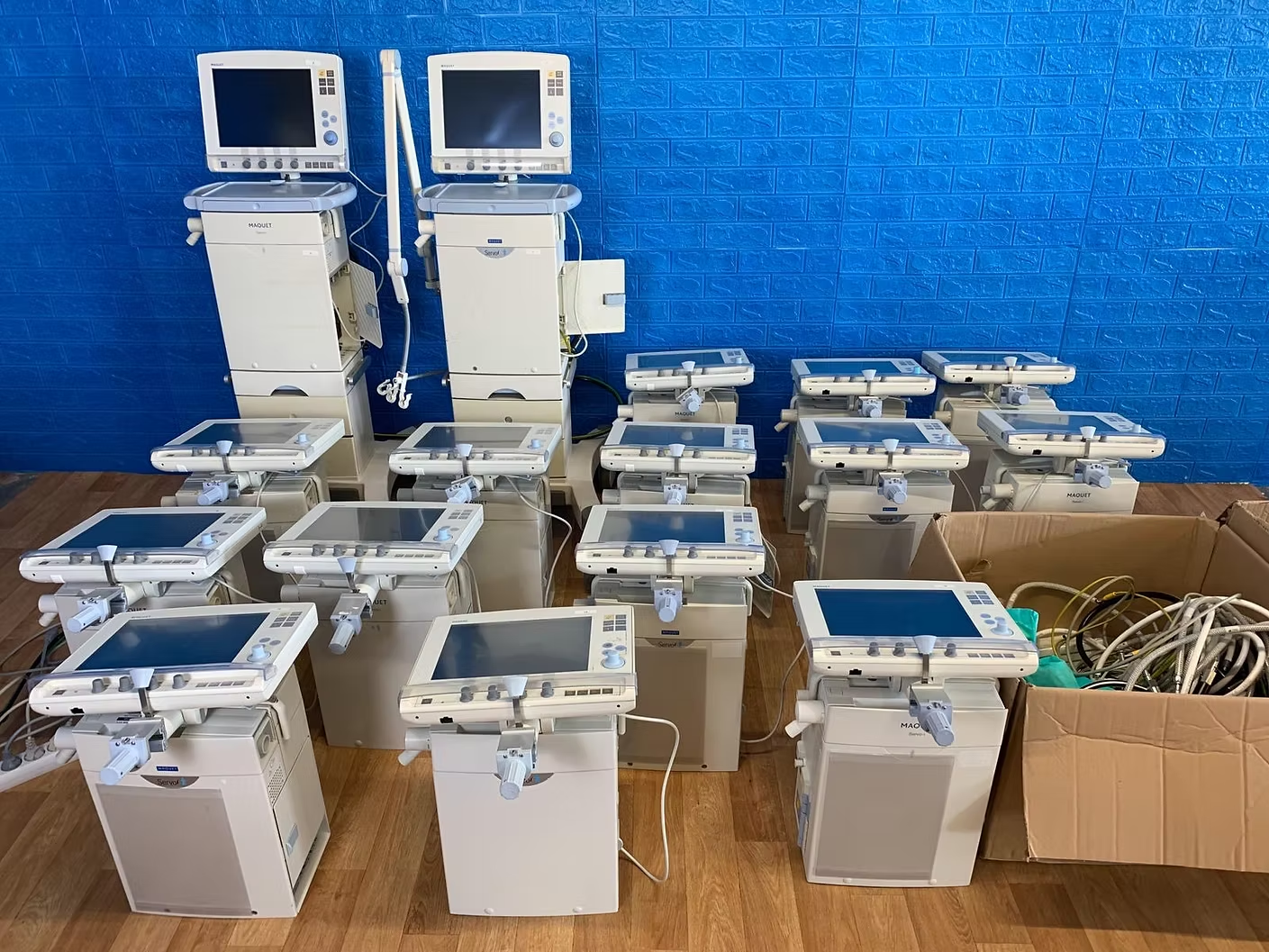
Maquet ventilators and accessories at Hessen Medical Ltd.
For hospitals seeking additional critical care equipment during the pandemic, the challenge extended from finding available machines to arranging their delivery. Equipment supply, transport and documentation all needed attention while healthcare services were responding to exceptional demand.
Hessen Medical Ltd worked across those practical requirements. This case study looks at our international ventilator supply response and the considerations it highlights for healthcare organisations planning equipment purchases today.
The response at a glance
Equipment delivered: More than 500 ICU ventilators.
Period: During the COVID-19 pandemic.
Delivery scope: International.
UK base: Oldham, Greater Manchester.
Work involved: Equipment sourcing, international freight coordination, export documentation and customer communication.
Responding to urgent demand for ICU ventilators
The pandemic placed significant pressure on hospitals and the supply of respiratory support equipment. Procurement teams needed to establish what was available, whether it met their requirements and how it could reach the receiving facility.
International guidance also addressed the equipment needed for the response. In November 2020, the World Health Organization published a priority medical devices list and technical specifications for COVID-19, covering equipment characteristics, accessories and consumables to support procurement planning.
Hessen Medical Ltd’s contribution focused on the supply and delivery of equipment. We strengthened our procurement network and coordinated logistics to respond to requests for ICU ventilators and related critical care equipment.
That work connected the availability of equipment with the arrangements needed to move it internationally. Sourcing, freight and documentation formed part of the same delivery effort.
Bringing equipment sourcing and logistics together
An international order involves several organisations: the equipment supplier, the buyer, freight providers and those responsible for import arrangements. Clear communication between them helps establish the requirements for a shipment and address outstanding questions.
During our pandemic response, international sourcing and distribution were supported by freight coordination, export documentation and communication with healthcare customers. These activities were central to delivering equipment across borders during a demanding period for medical supply chains.
For a hospital arranging an equipment purchase today, the same areas deserve early attention. Confirm the exact system, included accessories, available records and destination requirements while the quotation is being prepared. This gives the supplier and receiving organisation a common basis for planning delivery.
Our guide to buying and selling medical equipment internationally explains the commercial and delivery details to agree before a sale.
Preparing ventilators for transport
The photographs accompanying this case study show some of the practical work around equipment handling: ventilators arranged with accessories, systems wrapped on their trolleys and equipment positioned on pallets.
Packing is an important part of a medical equipment shipment. The main unit, display, trolley and loose accessories need to be considered together when planning protection, handling and transport.
For buyers, a quotation should make clear what packing is included and who is responsible for collection, freight and unloading. Access at the receiving site also matters, particularly when a delivery involves several palletised systems.
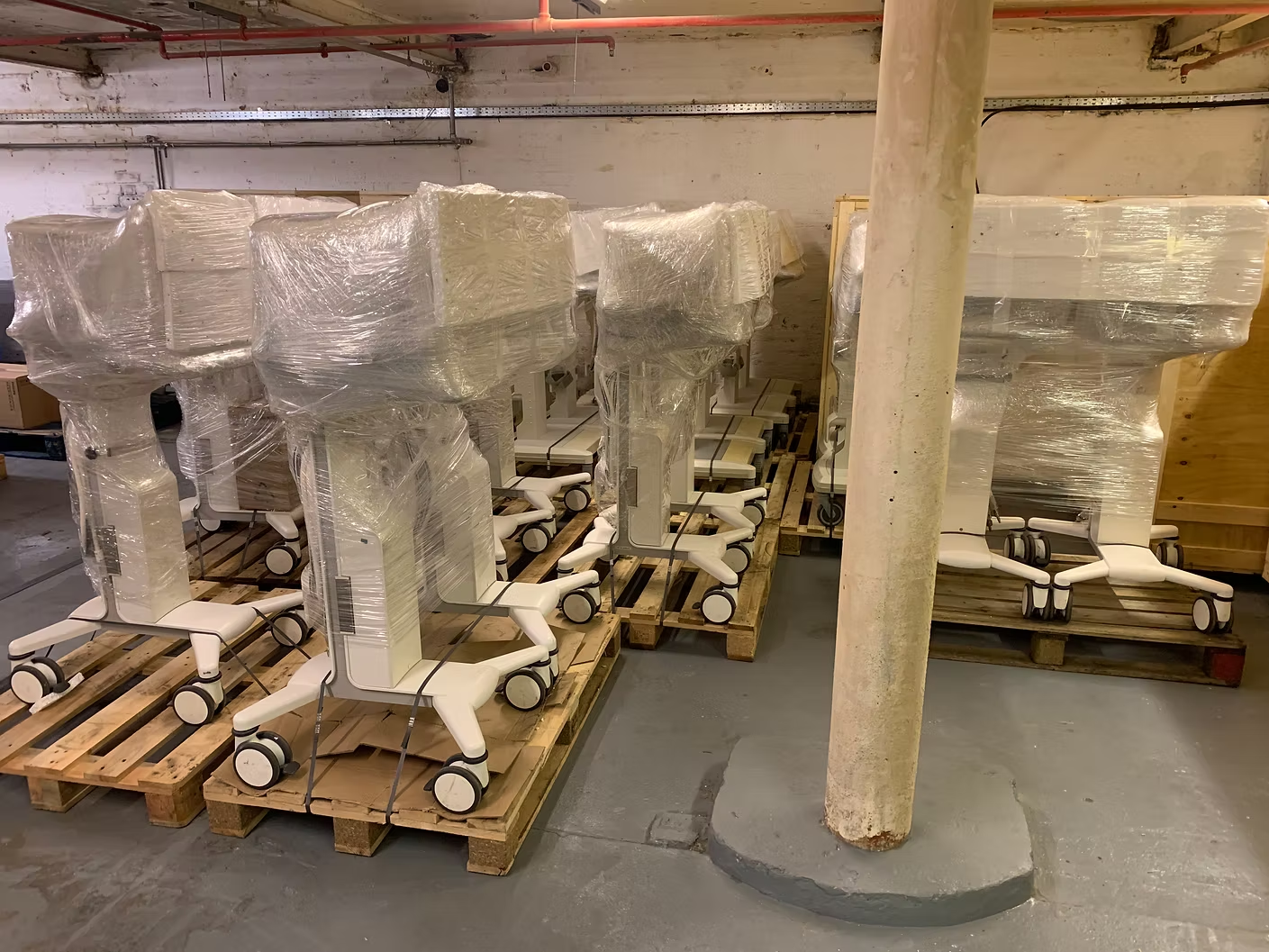
Ventilators wrapped on their trolleys and positioned on wooden pallets.
Coordinating international freight and documentation
Our ventilator supply response involved coordinating international freight and the documentation needed to support shipments. Communication with buyers helped connect equipment supply with the arrangements at the destination.
In international procurement, the receiving organisation needs clarity on the equipment being supplied, the delivery arrangements and the documents available. Any essential import requirements should be established for the particular device and destination before dispatch.
The practical handover is equally important. Agreeing the collection point, receiving contact, handling arrangements and delivery responsibilities gives each party a clearer understanding of its role.
For current enquiries, our medical equipment FAQs provide information on payment, delivery updates and collection by prior arrangement.
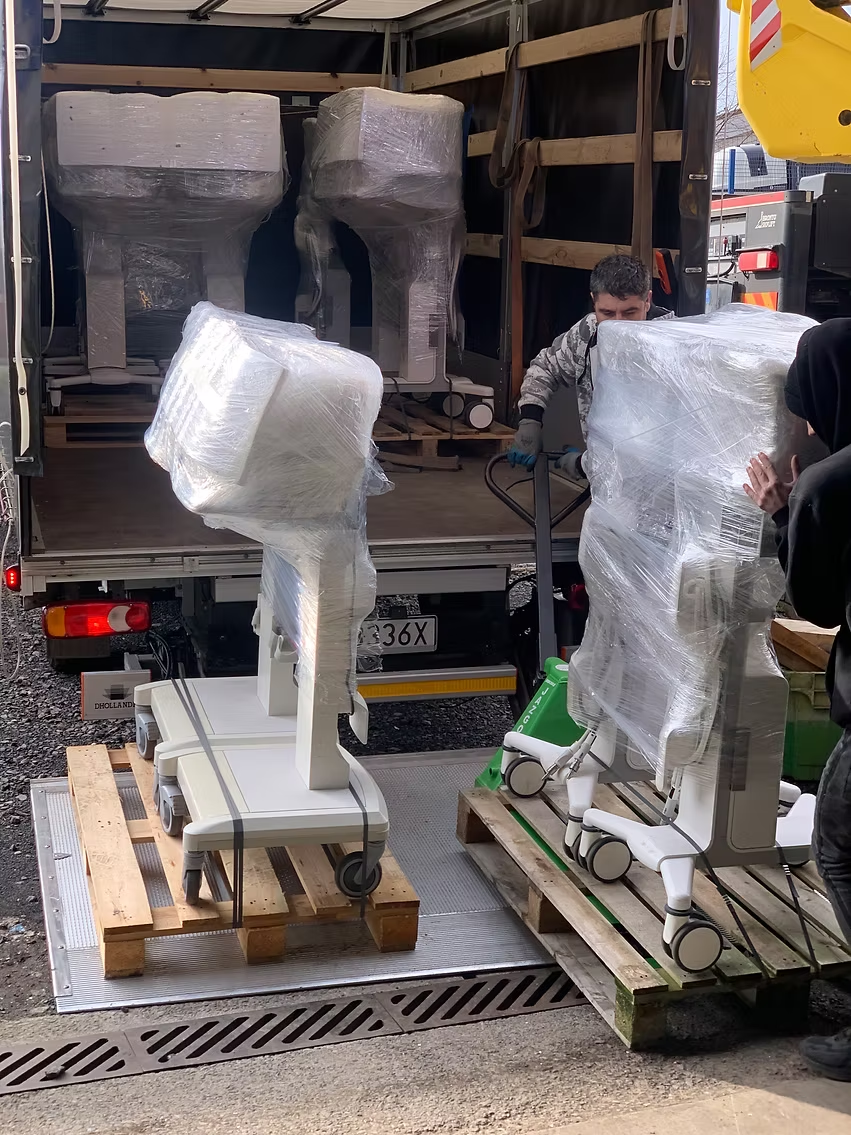
Palletised ventilators at the rear of a delivery vehicle.
Delivering more than 500 ICU ventilators worldwide
Hessen Medical Ltd delivered more than 500 ICU ventilators internationally during the pandemic. The response combined the company’s equipment sourcing network with freight, documentation and customer coordination to support healthcare providers seeking additional equipment.
It remains a significant example of our international medical equipment supply experience. It also illustrates how closely procurement and logistics are connected: an equipment order needs a workable plan for delivery as well as an agreed scope of supply.
What this means for hospital procurement today
For healthcare organisations planning an ICU equipment purchase, this experience highlights three areas to address early.
Specify the complete equipment requirement
Identify the intended application, required functions, accessories, quantity and destination. Have the proposed configuration reviewed by the responsible clinical and engineering teams. Our ICU ventilator buying guide provides more detailed questions for assessing equipment and support requirements.
Assess the supplier’s ability to support the transaction
Discuss equipment information, available records, communication and delivery coordination. Ask who will handle each part of the enquiry and how outstanding requirements will be resolved. Our guide to choosing a global medical equipment supplier explores these considerations further.
Plan for receipt and ongoing support
Include installation, acceptance checks, training needs and maintenance arrangements in the purchasing discussion. Where equipment will be used overseas, consider the availability of suitable service support in the destination country before committing to the purchase.
ICU ventilators and hospital equipment from Hessen Medical Ltd
Hessen Medical Ltd continues to supply medical equipment to hospitals, clinics and professional buyers internationally. Healthcare organisations can view our ICU ventilator listings and enquire about the configuration, condition, accessories and available documentation for individual units.
For broader equipment requirements, our inventory also includes patient monitors, anaesthesia machines and other medical equipment for sale. Availability and the scope of supply should be confirmed for each enquiry.
Discuss your equipment requirements
If you are sourcing ICU ventilators or planning a purchase involving several systems, contact Hessen Medical Ltd with the equipment type, quantity, required accessories, delivery country and timeframe.
If your organisation is replacing equipment, you can also submit surplus medical equipment for review, including the models, condition, photographs and collection location.
Email: info@hessenmedical.com
Telephone: +44 7838 577875
Hessen Medical Ltd — We Supply the Equipment That Saves Lives.